
By the Independent Political Correspondent
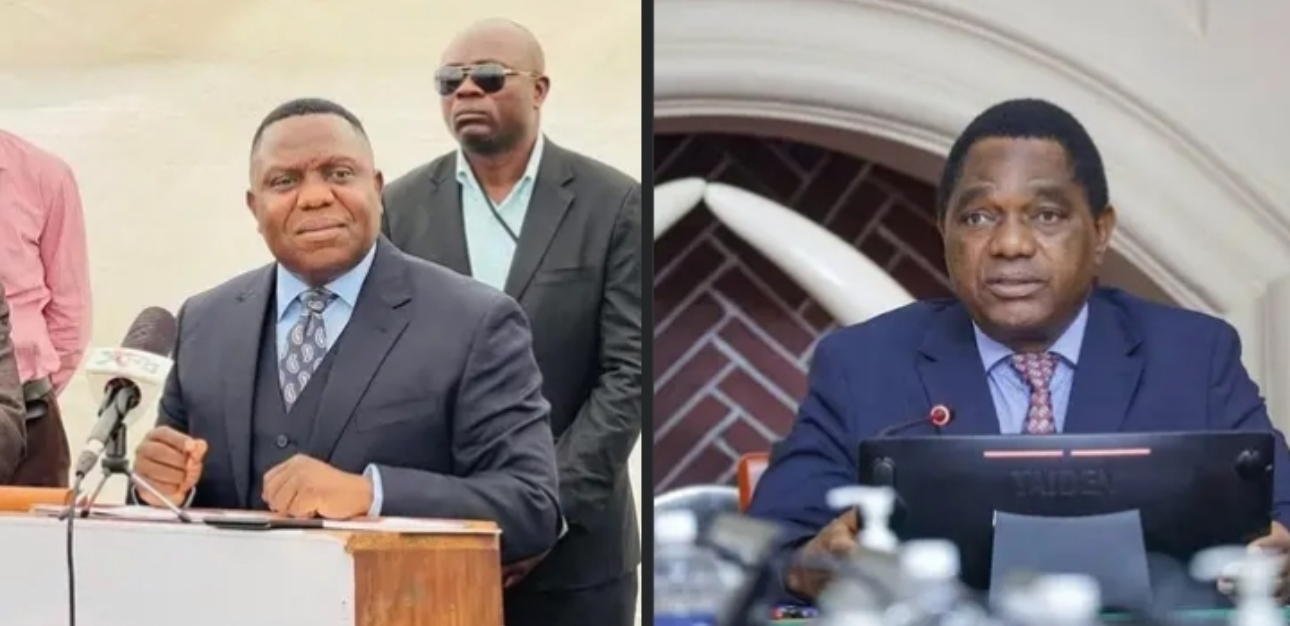
As Zambia marches toward the August 13, 2026 general election, the political landscape is steadily crystallising into what many citizens already sense on the ground: a straight contest between the Citizens First (CF) leader, Harry Kalaba, and the incumbent President, Hakainde Hichilema of the UPND. Despite the noise, manoeuvring, and money being thrown around, the Patriotic Front (PF) has effectively priced itself out of serious contention.
The PF’s credibility crisis is largely self-inflicted. The party’s decision—through its Members of Parliament and allied formations—to support Bill 7 proved to be a political own goal of historic proportions. The Bill was rejected by civil society organisations, the Church mother bodies, and a broad cross-section of citizens who viewed it as an affront to democratic checks and balances. In choosing to side with the Bill, PF leaders placed themselves on the wrong side of public opinion and against the very people they now claim to want to lead.
More damaging still is the perception, widely held and openly discussed, that some of the PF’s key figures and self-styled presidential frontrunners are either working with, or are deeply compromised by, the ruling UPND. Directly or indirectly, their political footprints appear to intersect too comfortably with UPND interests. For a party positioning itself as an alternative to the government, this has been nothing short of fatal.
Zambians are asking uncomfortable but necessary questions. How does one explain that a PF presidential hopeful was instrumental in delivering Bill 7? How does one reconcile the fact that another PF frontrunner is at the helm of supporting and bankrolling a political outfit—the NCP—that voted in favour of the same Bill? These are not idle rumours; they are political realities that have not been convincingly explained away. In politics, perception is everything, and the PF has lost control of the narrative.
Against this backdrop, Harry Kalaba has emerged as the only opposition figure with both credibility and national appeal. His consistent stance against Bill 7, his clear messaging on governance and economic recovery, and his refusal to play double games have resonated with citizens who are tired of betrayal and recycled politics. The PF leadership’s continued reluctance to accept this reality is not rooted in strategy but in jealousy and a thinly veiled desire to sabotage a candidate they know they cannot control.
The Zambian people have seen through it. They understand that the resistance to Kalaba from within sections of the PF is less about ideology and more about egos, lost relevance, and the fear of political extinction. The old tricks—splitting the vote, propping up weak candidacies, and quietly doing business with the ruling party—no longer work in an era of heightened civic awareness.
At the same time, the incumbent President, Hakainde Hichilema, enters the race with the full weight of incumbency but also with a significant loss of popularity. Economic hardships, unfulfilled promises, and a growing sense of disconnect between the government and ordinary citizens have eroded the goodwill that swept the UPND into office. Incumbency may offer advantages, but it does not guarantee immunity from a political tumble.
In the final analysis, Zambians are not as stupid as the funders of certain PF leaders seem to believe—those who continue to pump money into sustaining the lifestyles of so-called presidential contenders who lack both credibility and a viable path to State House. With or without PF support, the 2026 election is shaping up to be a two-horse race: Harry Kalaba versus Hakainde Hichilema.
Everything else is political theatre.
Source: The independent