
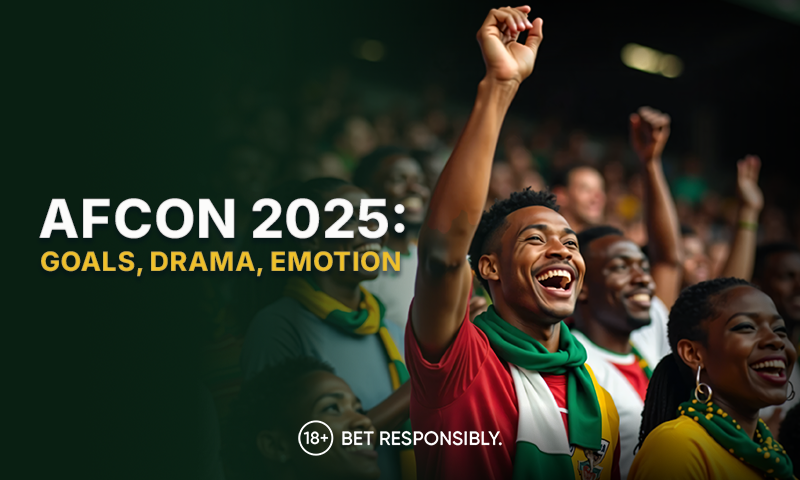
The Africa Cup of Nations in Morocco has come to an end, and emotions have finally calmed down. Fans once again turned the stands into a giant party, demonstrating the importance of football as a social event. Fancy costumes, dancing, and flash mobs with flashlights created an unforgettable atmosphere, and the players felt the support and played with even greater dedication. AfroPari sums up the tournament, analyzing the key moments and main trends.
From emotional play to system
The quality of African football is improving every year. One of the defining features of recent AFCON tournaments has been the participation of players who have been trained in strong European leagues. Accustomed to a rigid structure and high demands, players such as Patson Daka (Zambia), M’Bala Nzola (Angola), Reinildo Mandava (Mozambique), and others brought maturity and confidence into the game of their national teams at key moments.
Tactical discipline and a high level of physical fitness are no longer the privilege of the favourites. Today, they are characteristic of every team playing in the AFCON. The lower-ranked teams skillfully built their play in the low block, regularly creating pressure on favorites. Suffice it to recall Burkina Faso’s comeback in the match against Equatorial Guinea, Egypt’s difficult victory over Zimbabwe, and Morocco’s nervous 55 minutes against the Comoros.
It’s becoming increasingly difficult for African football leaders to win through individual skill. Underdogs are no longer limited to clearing the ball away from the penalty area, relying on the speed or stature of their forwards. Botswana in the match against Senegal, Tanzania in the game against Nigeria, and the Comoros in the clash with Morocco all tried to maintain possession and attack through passing. What’s more, these teams’ passing accuracy in their matches against giants was 76-79%!
Many teams at the African Cup of Nations impressed with their well-thought-out tactics. Morocco demonstrated pragmatic football, conceding only two goals. The Atlas Lions often took control of the game, and after scoring a goal, they retreated to their half of the pitch, focusing on defense.
At the same time, Nigeria relied on physical strength and high intensity. Teams that weren’t prepared for the fast pace simply couldn’t keep up with the Super Eagles.
The DR Congo national team was another example of a well-organized game, but with an emphasis on vertical football. Their quick transitions to attack were particularly impressive: Théo Bongonda and company opened up at the right moment, made sharp runs, and effectively stretched the opponent’s defense.
Senegal proved to be the most balanced team in the tournament. The Lions of Teranga perfectly combined compact defense with high pressing and skilfully controlled the pace of the game, which allowed them to dictate terms to their opponents.
Knockout stage and final: challenges, tension, and leaders
In decisive AFCON games, it’s not the visual effect that matters, but the result. At times like these, particular players’ experience and moments of leadership become the key factors.
The performances of certain players did change the course of matches, but without disrupting the team structure. Despite actively joining in attacks, Pape Gueye remained flawless in his positioning and tackling. Sadio Mané didn’t chase personal accolades, creating chances for his teammates (19, the best record in the tournament).
Morocco had heroes of their own. Nayef Aguerd won numerous aerial duels, Ismael Saibari proved to be a versatile warrior in midfield, and Ayoub El Kaabi showed he could convert almost any opportunity into a goal. Achraf Hakimi, who returned to the squad during AFCON, added confidence to the team’s defense, while Brahim Díaz had one of the best tournaments of his career, although he was unable to cope with the pressure in the final. All of them are high-level players, but it was Walid Regragui’s ideas that helped build a cohesive team model.
While certain aspects of the tournament and the refereeing were the subject of discussion, AFCON will be remembered for something else: tactical evolution, high-quality football, and tension right up until the final minutes.
African football continues to grow, and the major tournaments aren’t over yet. Soon, CAF will take over, once again capturing the attention of fans across the continent. AfroPari is preparing a special promo for the start of the continental competitions – don’t miss the biggest matches with the African bookmaker!
Meanwhile, the Champions League is in full swing: follow the top matches of the European season and take advantage of the cashback promo, calculated as 50% of the difference between the total bet amount and the payouts on winning bets. The major tournaments continue – as do AfroPari’s football bonuses.