
By Joseph Kamanga
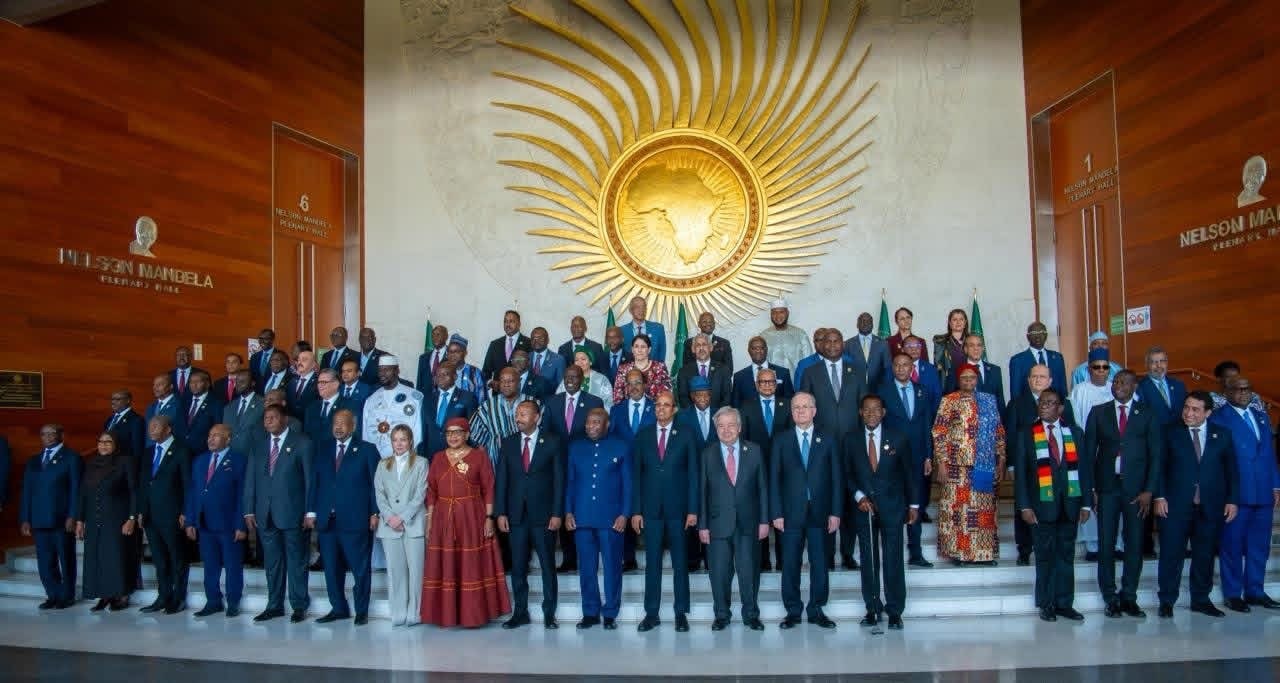
The 39th African Union (AU) Summit in Addis Ababa was the perfect stage for the Zambian government to take a stand. As the “Supreme Court” of African diplomacy, the summit is where leaders are supposed to protect the African Charter on Human and Peoples’ Rights. However, while countries like Malawi and Nigeria have begun to speak out publicly against the “Alabuga Start” False recruitment scheme, Zambia’s government has remained quiet.
This silence is particularly alarming because the Alabuga program, based in Russia, uses social media to target young Africans. What are marketed as “scholarships” are actually recruitment pipelines for military munitions factories. Young women and men find themselves forced into shifts assembling strike drones, effectively becoming tools for a foreign war.
Local advocates in Zambia are now breaking the silence to express the deep disappointment felt by the public. Eric Machingauta, Project Manager for Voice of Influence Zambia, shared his reaction to the government’s performance at the summit:
“Firstly, I just want to share my heartfelt disappointment during the African Union summit where the government had representation and the President himself was part. A lot of important issues were raised during the summit and there was only one important issue which was left out, which was the Alabuga Start program that is happening in Russia where the Russians are recruiting young African women and men to go and make their weapons and drones and be a tool for war.”
When the government chooses “diplomatic caution” over public warnings, the consequences are felt on the ground for the next generation. As Machingauta points out, the timing of this silence is a direct threat to those who have just finished their education:
“I was very disappointed because this issue was supposed to be tackled. It affects Africans and I was expecting the government to at least talk about it and address the summit so that they can be aware of such programs. Because we’ve got a lot of school leavers who graduated last year and some of them are looking forward to study abroad, and such opportunities may seem attractive to them, not knowing that it is of force.”
The message from the ground is clear. Every day the government remains silent, recruiters on TikTok and Facebook feel safer, using the lack of an official “Travel Warning” to convince young people that these programs are safe. While regional neighbors have started to protect their citizens with public warnings, Zambia’s silence makes its school leavers a soft target for exploitation.
Machingauta concludes that the government’s failure to act has left a dangerous gap in public awareness that must be filled immediately:
“So I was really disappointed, and this issue was supposed to be raised by the government. It was supposed to be spoken in high volumes so that Africa be aware of what is happening. Yes, thank you very much.”
Until the Zambian government treats the safety of it’s youth as more important than diplomatic etiquette, the most ambitious young minds of the country will continue to be at risk of being lured into a war that is not theirs.