
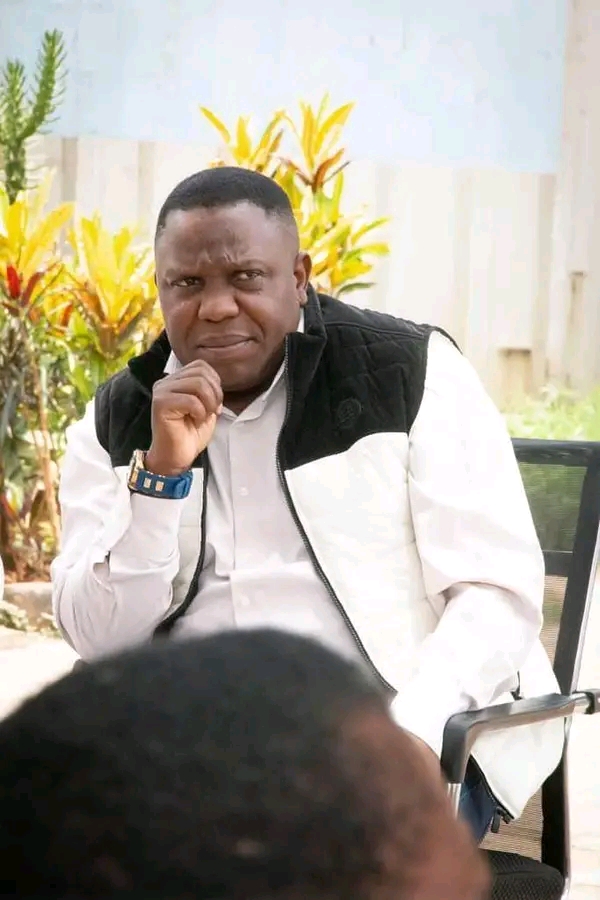
He shares:
Today, thousands of retirees who dedicated their lives to public service are struggling, not because the country lacks resources, but because the system that should protect them has been poorly prioritised and weakly enforced.
NAPSA reports that roughly 28,000 retirees are currently receiving monthly pension benefits. The minimum pension is just over K1,400 per month, far below the cost of living. On top of low monthly benefits, many civil servants wait over a year to receive their retirement gratuities. This is caused by three main problems.
Firstly, pension liabilities are not properly funded in advance. The so called “new dawn” treats pensions as a future issue instead of a current obligation. So ministries and councils struggle to remit contributions, creating sudden shortages and payment delays when employees retire.
Secondly, pension payments also compete with discretionary spending. Once revenue enters general expenditure, pensions have to either compete with new projects or other priorities. Meaning retirees are often the first to wait when cash flow tightens.
Finally, weak revenue collection worsens the problem. Auditor General and government reports show large amounts of public revenue go uncollected due to poor enforcement and leakages, reducing available funds even for obligations that should already be secured.
What frustrates many Zambians is the contradiction between pension neglect and spending priorities. While retirees are told to wait, the so called “new dawn” continues to finance large infrastructure projects and long-term concession agreements. Oversight bodies, including the Public Accounts Committee, have repeatedly highlighted billions of kwacha in uncollected or poorly managed funds across ministries and state institutions. This shows the problem is not a lack of money but the failure to prioritise those who have already served the nation.
The handling of defence force pensions further exposes these weaknesses. A High Court ruling confirmed that the current leadership acted unlawfully in delaying and miscalculating benefits for some ex-servicemen. The fact that retired members of the Army, ZNS, and Air Force had to go to court highlights a serious failure.
The CF will tackle pension reform seriously and realistically. Pension and gratuity payments will be ring fenced once approved by Parliament so they cannot be diverted, and all court ordered settlements will be honoured immediately.
Employer contributions will be enforced through automatic payroll remittances, removing delays by ministries and councils. A public monthly pension ledger will show payments, beneficiaries, and institutions failing to meet obligations. Pensions will also be adjusted annually to protect retirees from inflation. Funding does not require new taxes or borrowing. Auditor General reports show billions of kwacha in uncollected revenue each year, and recovering even part of this is enough to clear arrears and stabilise the system.
Retirees are not asking for sympathy. They are asking for the dignity, fairness, and benefits they earned through decades of service. Under the CF, pension reform will be a national obligation, not a serviced favour.
Harry Kalaba,Citizens First