
By Joseph Kamanga
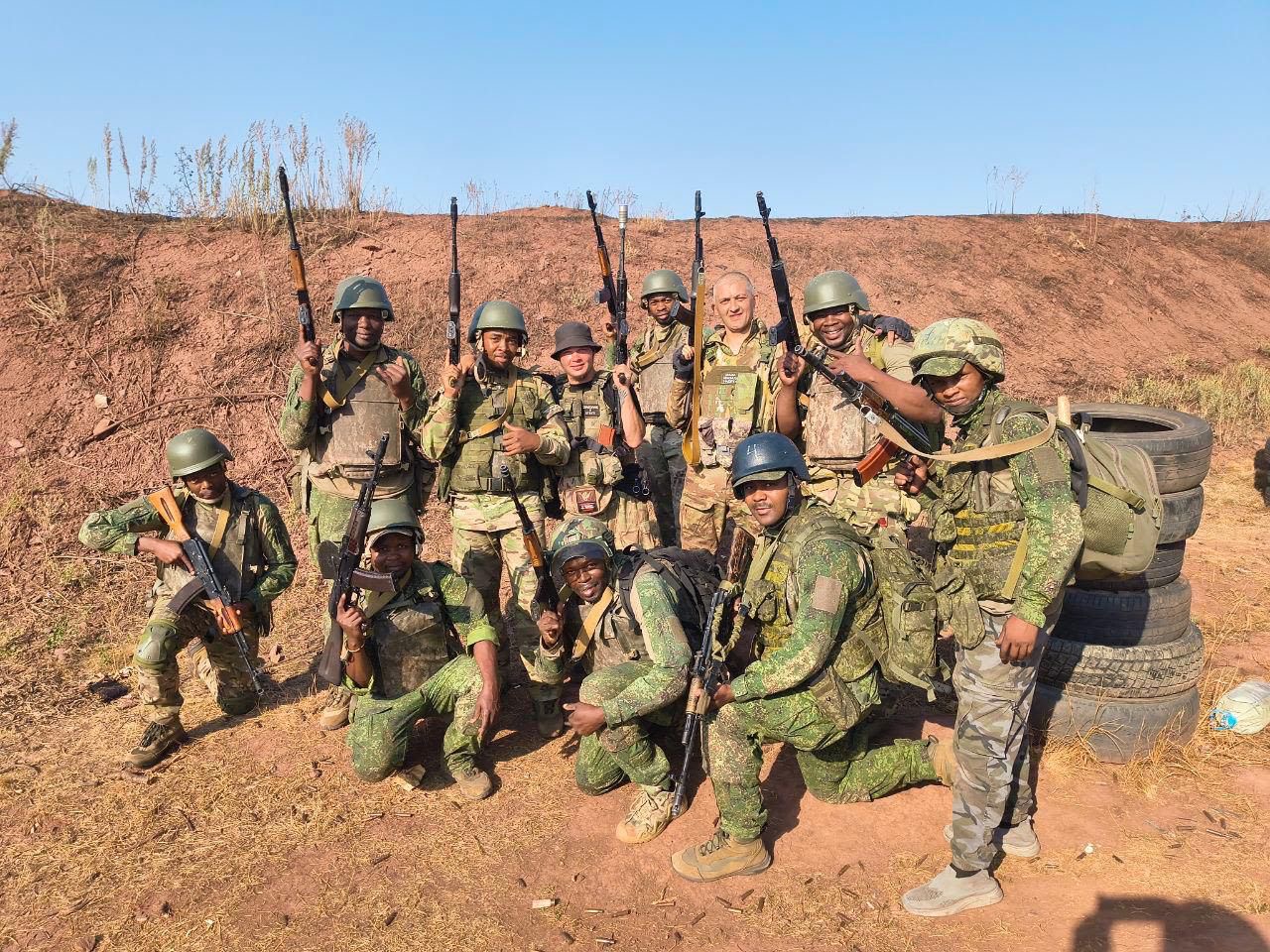
As the 39th Ordinary Session of the African Union (AU) Assembly opens this Wednesday, February 11, 2026, in Addis Ababa, Ethiopia, attention is turning to African governments, with hopes that they seize the opportunity to raise one of the most disturbing but least discussed crises affecting African youth — deceptive recruitment of young men to fight Russia’s war against Ukraine and the so-called Alabuga Start recruitment scheme targeting girls between 18 and 22.
Although this year’s summit is themed “Assuring Sustainable Water Availability and Safe Sanitation Systems,” security analysts and civil society actors argue that the covert recruitment of African citizens into these foreign military-linked ‘jobs’ through online deception needs urgent attention.
Investigations by international watchdogs indicate that more than 1,400 Africans from at least 36 countries have either fought for or worked within Russian military-industrial zones. Many of them are believed to have been recruited through the Alabuga Start programme, which specifically targets young Africans — particularly women between the ages of 18 and 22 — with promises of work-study opportunities in hospitality, customer service and domestic employment.
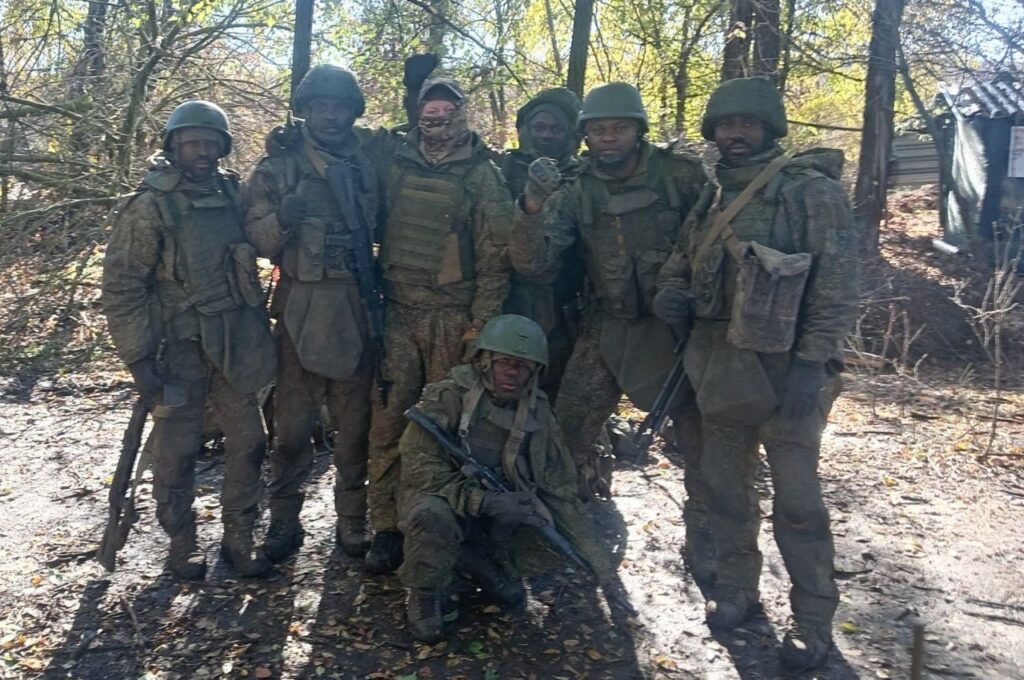
Instead of the promised careers, many recruits reportedly find themselves taken to the Alabuga Special Economic Zone in Russia, where they are forced to assemble military drones and other equipment linked to the ongoing war. For young men, the situation is reportedly even more severe as some survivors and independent investigators have indicated that African recruits have been treated as expendable labour, as Russian forces allegedly use degrading terms such as “can-openers”, a term used for those sent into minefields ahead of advancing troops.
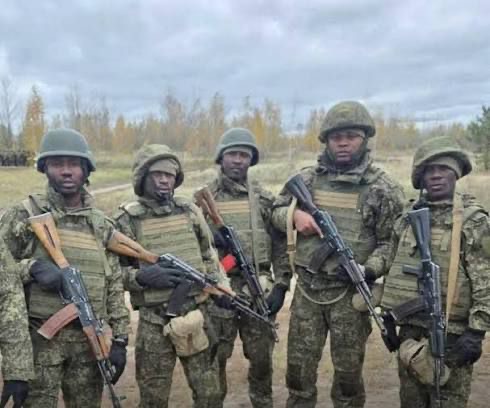
So far in Zimbabwe, families are mourning Mandla Ncube, a man who was killed in combat just months after being deceptively recruited into the Russian war against Ukraine. Cameroon, Kenya, and South Africa have reportedly begun investigating these recruitment networks, calling them a form of human trafficking, and have warned citizens against falling victim.
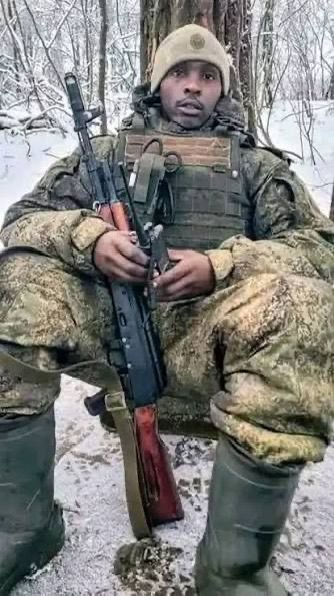
A Kenyan man on captured on one of the disturbing videos revealed that “I didn’t even know how to hold a gun,” because he thought he was going to work as a plumber. “Three days after I arrived, they gave me a uniform and an assault rifle and told me I was going to the front line,” he adds.
These are the issues African governments are expected to raise at continental meetings such as the upcoming AU Summit in Addis Ababa. But when asked if Zambia will consider raising the concerning deceptive recruitment schemes at the Summit, foreign affairs minister Mulambo Haimbe said he was not aware of the issue, and that he had “just returned from Washington” so he couldn’t comment, referring queries to principal public relations officer Eva Hatontola Chanda, who has yet to respond to a query. This, however, is not the first time the matter of deceptive recruitment of Africans has been raised with the Ministry of Foreign Affairs. Chanda, in response to a query recently, said the government was investigating the matter.
Zambia Cyber Security Initiative Foundation executive director John Tshinseki has called for immediate action by African governments to deal with the the “highly organised and professionally executed” schemes duping African youth.
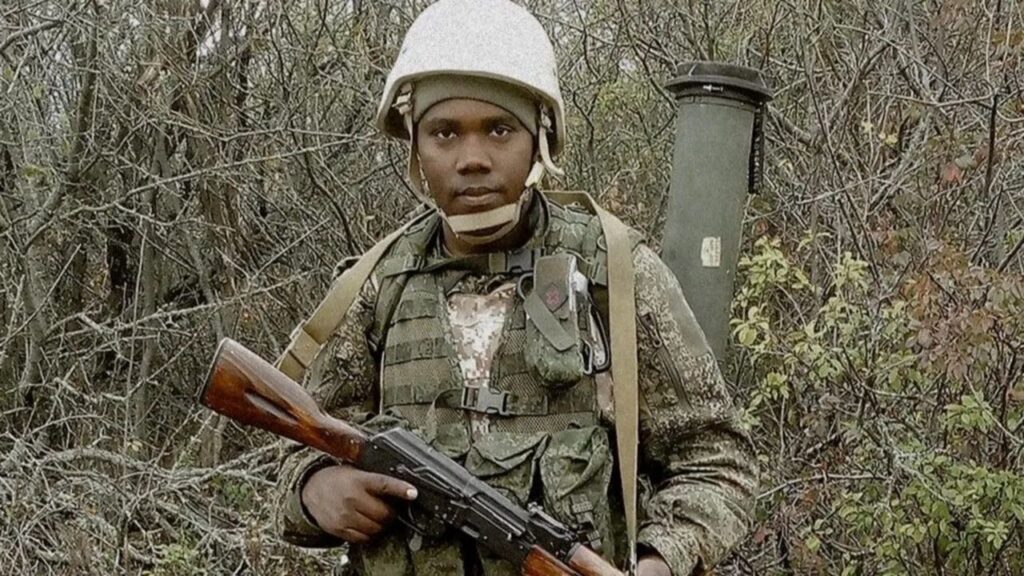
“This is not just random scamming. It’s a digital hunt,” Mr. Tshinseki told Zambia Reports in an interview. “They build trust. They provide fake documents, real-looking websites, and sometimes even organise video calls where supposed workers give glowing testimonies about life in Russia.”
He says the targets are usually young people from economically strained households who see the opportunity as a rare chance to change their family’s circumstances.
“A 22-year-old young woman sees a salary quoted in US dollars and thinks, ‘In one year I can buy land and build a house for my parents.’ They are promised jobs as house help, hotel staff or service workers. For someone unemployed, that is life-changing money,” Tshinseki said, noting that “these recruiters are using advanced digital methods — fake online identities, stolen celebrity photos, even AI-generated images — to outsmart traditional systems”, adding that Zambia has strong cyber laws that aim to improve enforcement and coordination among state agencies to track and prosecute digital crimes.
However, he warns that legislation alone is not enough.
“Citizens have to play their part. We must align our online behaviour with the law and be more suspicious of what we see on social media,” Tshinseki said.
With heads of state, security agencies and law enforcement officials all present at the AU Summit, Zambia has a rare opportunity to elevate the issue onto the continental agenda. Tshinseki believes the government should use the platform to share intelligence and coordinate responses with other African countries in dealing with the human trafficking schemes.
“This is not just a Zambian problem. West Africa is already heavily affected, but the trend is spreading across the continent. The moment these young people land, their passports and phones are taken. They are absorbed into industries they never even knew existed,” Tshinseki said. “What is too good to be true is always too good to be true. Talk to your parents. Report suspicious offers to the police. And never agree to travel abroad without proper verification and guidance.”
The silence around the issue has drawn criticism from civil society groups, who argue that Africa cannot speak meaningfully about “people-driven development” under Agenda 2063 while thousands of its citizens are being digitally trafficked into foreign conflicts.
What remains now is to see if African leaders will also confront the exploitation of African lives happening quietly through smartphones and social media while debating water security and sanitation in Addis Ababa this week.