
By Tafwa Chikomeni
In an age where a single social media post can reach thousands of people within minutes, the ability to distinguish credible information from falsehoods has become one of the most important skills citizens can possess.
As Zambia approaches the August 2026 General Elections, concerns are mounting over the potential impact of misinformation, disinformation, hate speech, and online harassment on public discourse and democratic participation.
The country’s growing digital population has transformed how people access news and engage in civic conversations. Increasingly, social media platforms have become the first source of information for many Zambians, offering easy access to news and diverse views. However, this digital revolution has also brought significant challenges, including the rapid spread of misleading information, manipulated content, and politically motivated disinformation campaigns.
With advances in artificial intelligence making it easier to create convincing fake images, videos, and audio recordings, experts warn that citizens are facing an increasingly complex information environment.
During election periods, when emotions are heightened and public interest is intense, the risks associated with false information become even greater.
Media and Information Literacy (MIL) is widely recognised as one of the most effective responses to these challenges. It empowers citizens to think critically, verify sources, identify bias, and make informed decisions. It also promotes responsible online behaviour and strengthens resilience against manipulation and harmful content.
Across the world, governments, educational institutions, civil society organisations, and development partners are investing in media literacy programmes as a long-term strategy for strengthening democratic participation, social cohesion, and digital citizenship.
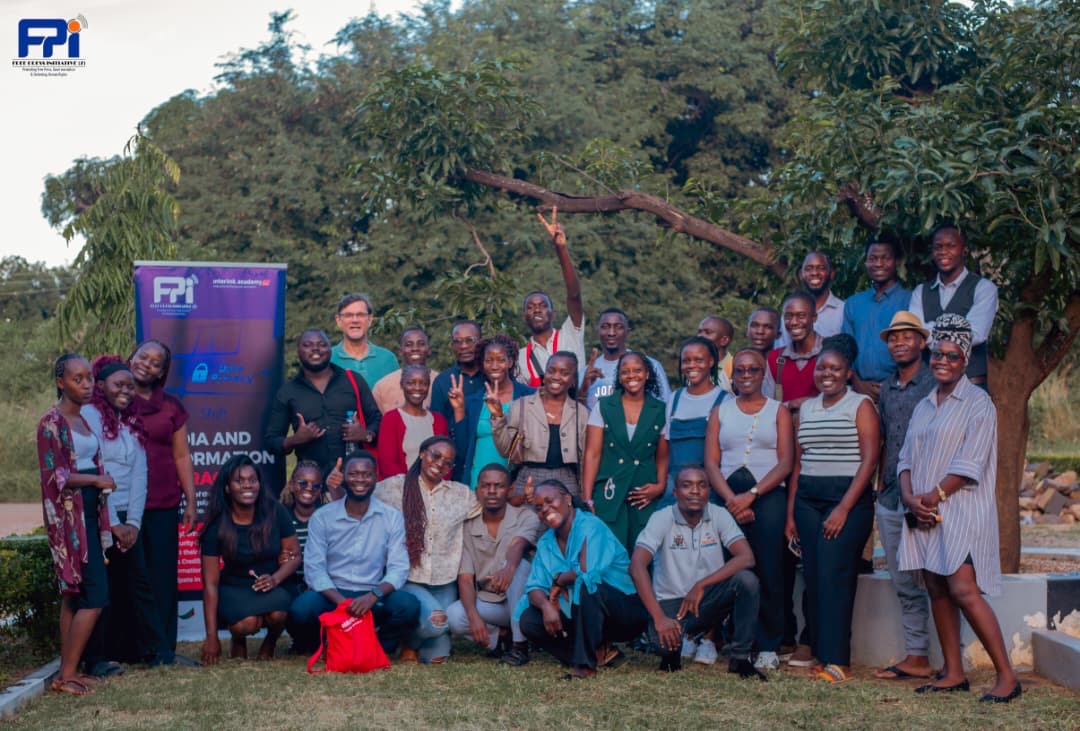
In Zambia, one organisation making notable strides in this field is the Free Press Initiative (FPI), a media freedom and human rights organisation that has been promoting excellence in journalism and defending press freedom since 2018.
Through a two and half-year Media and Information Literacy project implemented in partnership with Germany’s Interlink Academy, FPI is working to equip ordinary citizens, students, journalists, and communities with practical skills to navigate today’s complex digital information ecosystem. The initiative is being implemented across Eastern, Copperbelt, Lusaka and Southern regions and will run until December, 2026.
The project addresses five critical themes: cyberbullying and digital harassment, online safety and responsible internet use, misinformation and disinformation, hate speech and how to counter it, and media literacy with critical thinking. Additionally, it teaches communities how to capture video, photo and audio stories.
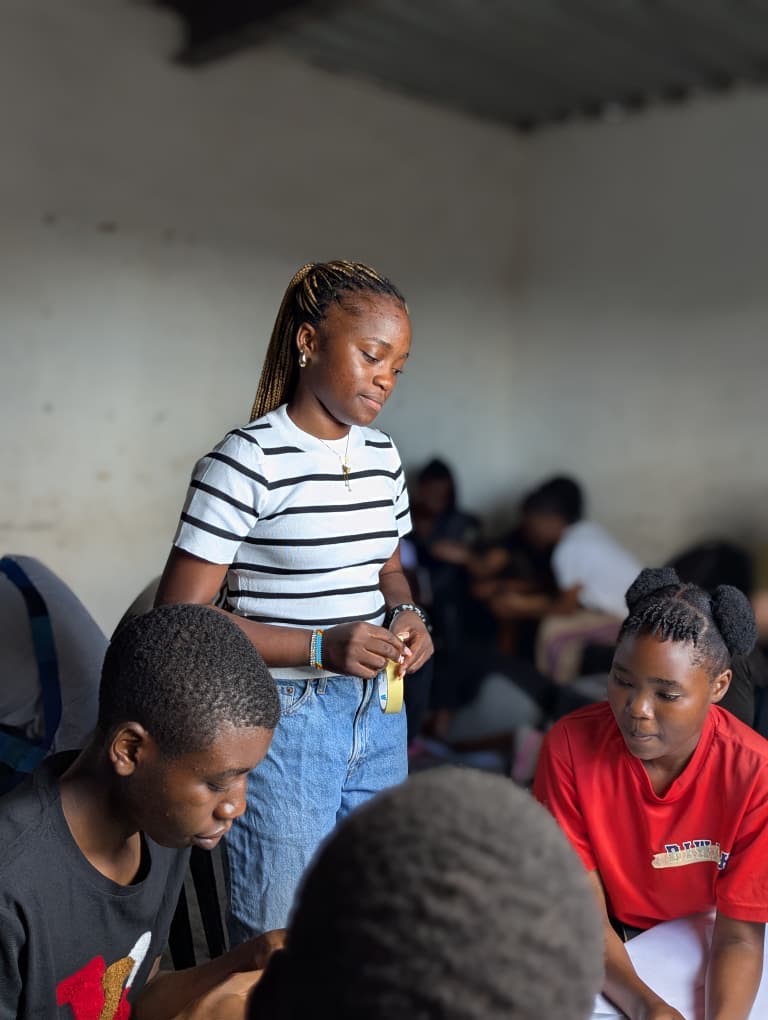
Rather than simply debunking misinformation after it has spread, media literacy programmes help individuals develop the capacity to independently assess information and make informed judgments.
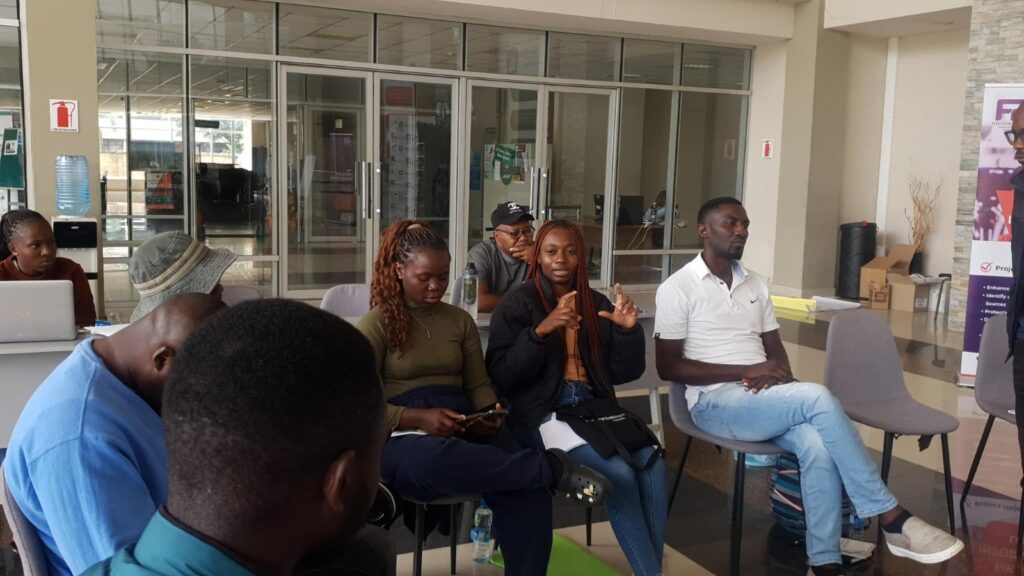
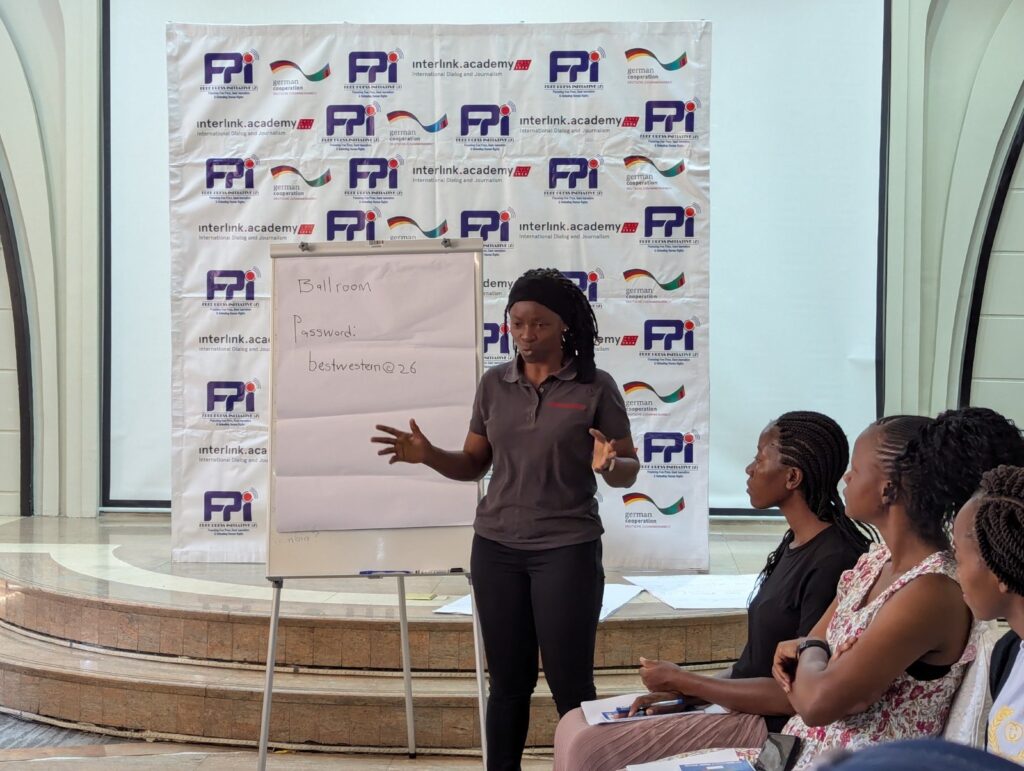
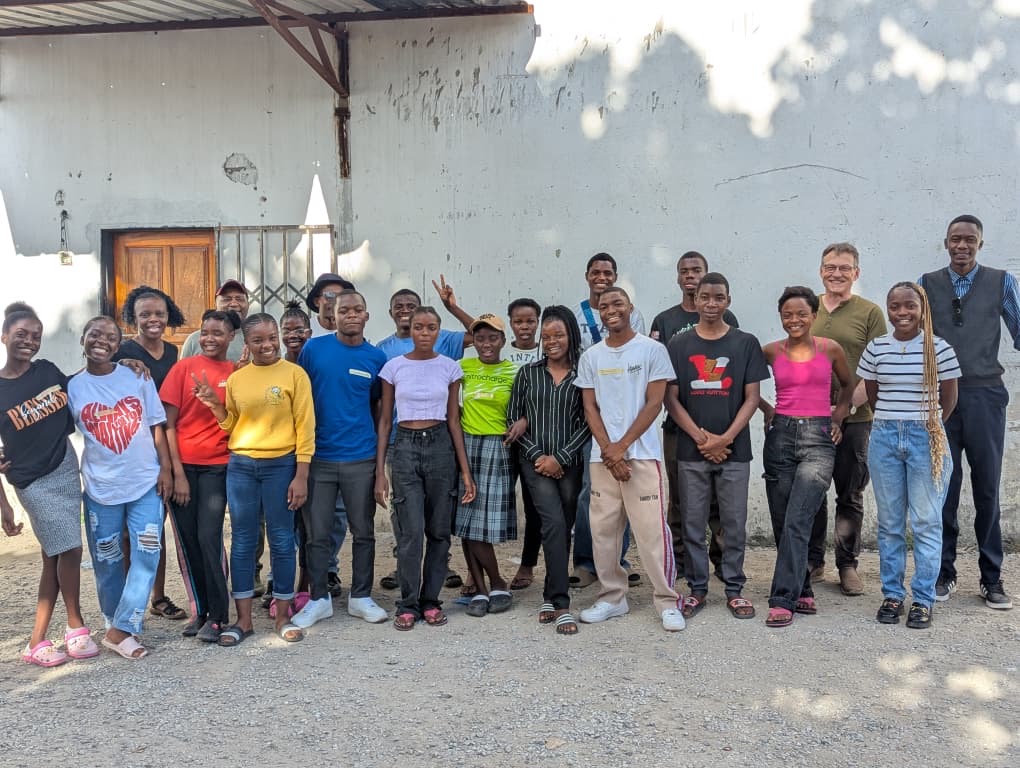
As part of its outreach efforts, FPI has established Media and Information Literacy Hubs in strategic locations including Chongwe, Lusaka West, Lusaka East, Lusaka North, Matero, Mutendere, Mufulira, Ndola, Kitwe, Mazabuka, Kafue, and Petauke. The project has empowered 24 community trainers working directly with local communities, conducting awareness sessions and creating educational content on digital safety and responsible media use.
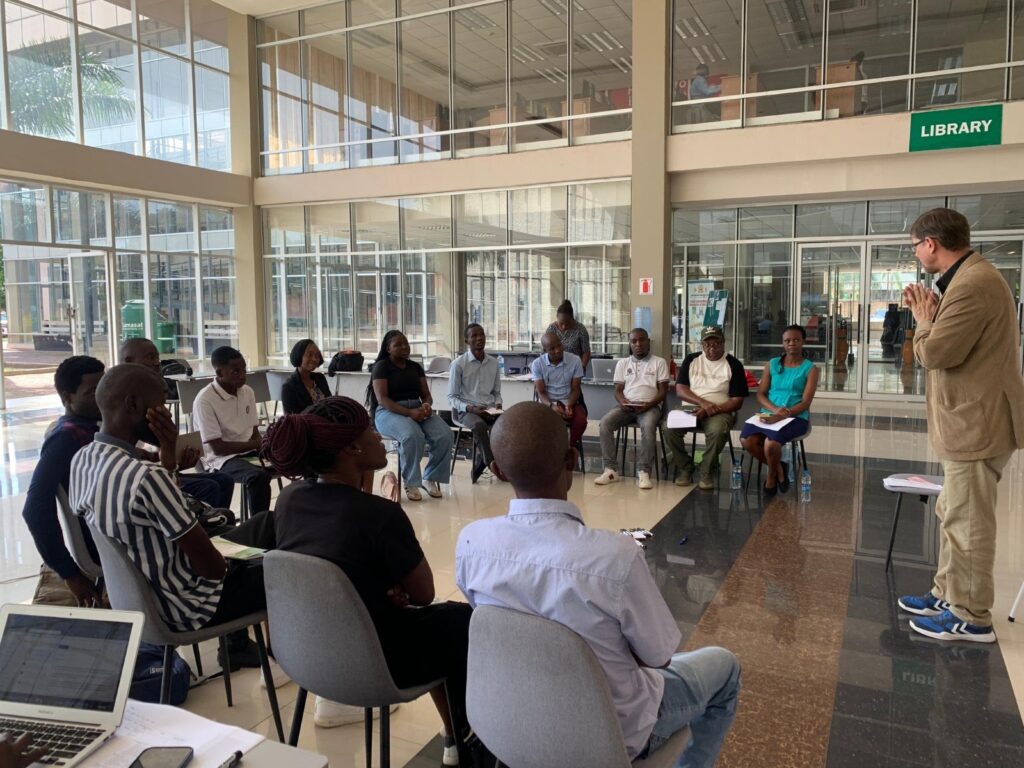
The hubs have become important community spaces where citizens can learn about navigating online platforms safely, identifying misleading content, and understanding the impact of their online behaviour.
The initiative also incorporates workshops, school-based clubs, and counseling sessions, with the aim of equipping those disproportionately affected by online abuse and misinformation with critical information.
Speaking on the significance of the project, Free Press Initiative Founder Joan Chirwa said strengthening media and information literacy is essential to ensuring citizens can participate meaningfully in democratic processes.
“The information environment is becoming increasingly complex, and citizens need practical skills to navigate it safely and responsibly. Media and Information Literacy empowers people to question information, verify sources, recognise manipulation, and make informed decisions. These are essential skills not only during elections but in everyday life,” Chirwa said.
She added that the organisation’s goal is to build resilient communities that can engage constructively in digital spaces.
“Through our Media and Information Literacy Hubs and community-based trainings, we are helping people become more informed, safer online, and better equipped to engage responsibly with media and information. We believe that informed citizens are the foundation of a strong democracy,” she said.
In December 2025, the FPI further strengthened its efforts through the publication of a Media and Information Literacy Guide, a practical resource developed for students, journalists, educators, and members of the public. The guide explains how media works, how information is produced and distributed, and how audiences can identify bias, evaluate sources, and make informed decisions about the content they consume and share.
The publication complements wider national efforts aimed at combating harmful online content, including initiatives such as the UNDP-supported iVerify Zambia 2.0 platform. Together, these interventions reflect growing recognition that information integrity is critical to the health of Zambia’s democracy.
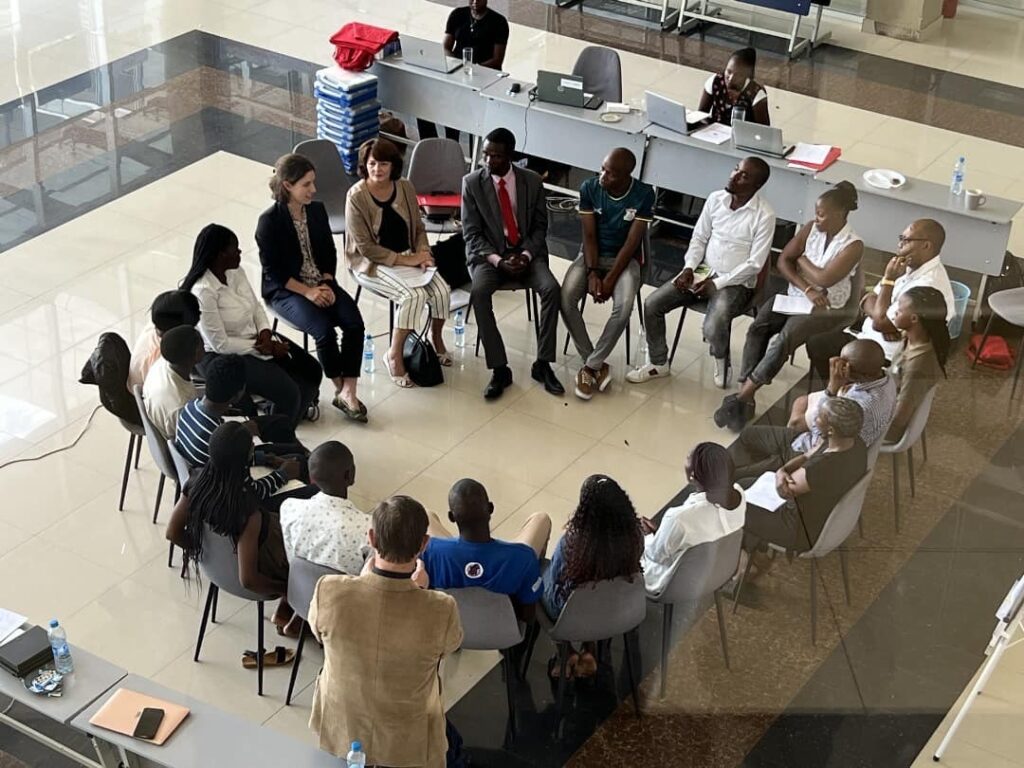
Beyond media literacy, FPI continues to support investigative journalism through its Moto Programme and remains active in advocating for press freedom, access to information, and the protection of journalists.
As Zambia enters a crucial electoral period, stakeholders say initiatives that promote critical thinking and responsible information consumption will play an important role in strengthening public trust, reducing the impact of disinformation, and encouraging informed civic participation.
In an era where information can travel across the country in seconds, the ability to distinguish fact from fiction may prove just as important to democracy as the vote itself. Through its ongoing work, the Free Press Initiative is helping ensure that more Zambians are equipped with the tools to make that distinction.