
By ZR Reporter
A Nigerian businessman who recently returned home from South Africa says he was forced to leave behind his house, vehicles, business and other possessions after receiving repeated death threats amid growing xenophobic tensions.
Speaking during an interview on Arise News Television, Itoro Richard said he made the painful decision to return to Nigeria with nothing because staying in South Africa had become too dangerous.
According to Richard, he had built a successful life and business in South Africa, but increasing hostility towards foreign nationals, particularly Nigerians, eventually left him fearing for his life.
“One of the issues that caused the divide between us and South Africans is that they could not understand how we came to their country with nothing and still managed to build wealth,” he said.
“They resented that we were so smart and resilient. My experience in South Africa was bad, not because my business was struggling, but because of the hatred from some South Africans simply because I am Nigerian.”
Richard also claimed that his South African wife became a target of intimidation because of their marriage.
“My South African wife was even told she would be arrested for marrying a foreign national,” he said.
He recalled that the threats against him became increasingly direct, with one incident involving a petrol station attendant who allegedly warned that he would be killed.
“Someone said to be forewarned is to be forearmed, and I left because of a lot of physical threats,” Richard said.
“There was a guy at the petrol station where I bought fuel. He told me, ‘Come the 30th, you will see a different me.’ He threatened to sever my head and said he would kill me and do terrible things to my family.”
Richard said his landlord, whom he described as a former anti-apartheid activist, advised him not to ignore the threats and urged him to leave his home for his own safety.
He said that advice may have saved his life.
According to Richard, he spent one night away from his house and later learnt that two of his Malawian neighbours had allegedly been killed in a violent attack.
“I went there to see what happened, but it was too gruesome. One was mauled, the other was hit with bricks. The police were there, and I was told I would be next and that my house would also be destroyed,” he said.
Fearing that he and his family would be targeted next, Richard said he sold what he could, often at a loss, and secretly relocated his family.
“I sell cars. I had two vehicles, and I had a house under a mortgage. One of the vehicles was vandalised, and I had to sell the other one cheaply just to move my family to safety,” he said.
“I even hired movers from another suburb because I didn’t want anyone in my area to know where my wife had relocated.”
Even after relocating, Richard claimed the harassment did not stop, alleging that his wife continued to face questions about why she had married a Nigerian.
He also said he received threatening messages through social media warning him to leave South Africa or risk being killed.
Ultimately, Richard said protecting his life became more important than protecting his investments.
“I had to take my life first and come back home because home is the right place where I’m supposed to be,” he said.
“I left everything behind. The house was abandoned because I could no longer continue paying the mortgage. My cars, my properties, my business, and the car stand where I displayed vehicles, I abandoned every single thing.”
“As I’m talking to you today, I came home empty-handed just to get to the airport and be alive.”
Richard’s account comes as concerns continue to grow over xenophobic attacks targeting foreign nationals in parts of South Africa, with calls mounting for stronger measures to protect migrants and prevent further violence.
© Zambia Reports | July 6, 2026
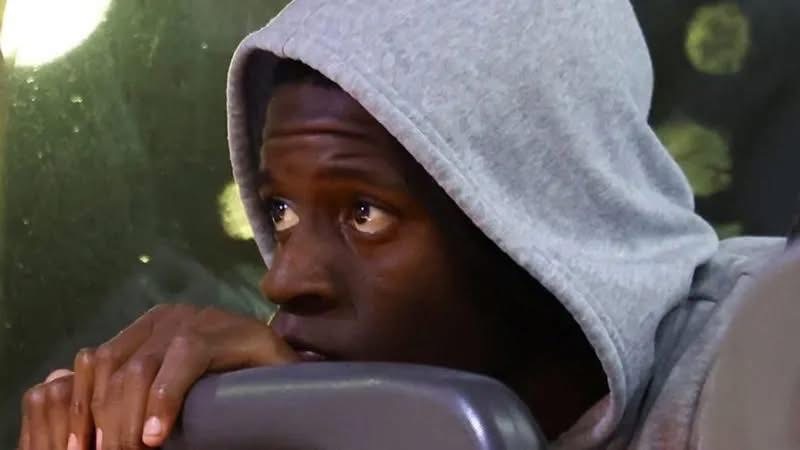
IMAGE SET FOR ILLUSTRATION PURPOSES