
By Sombwa Musunsa
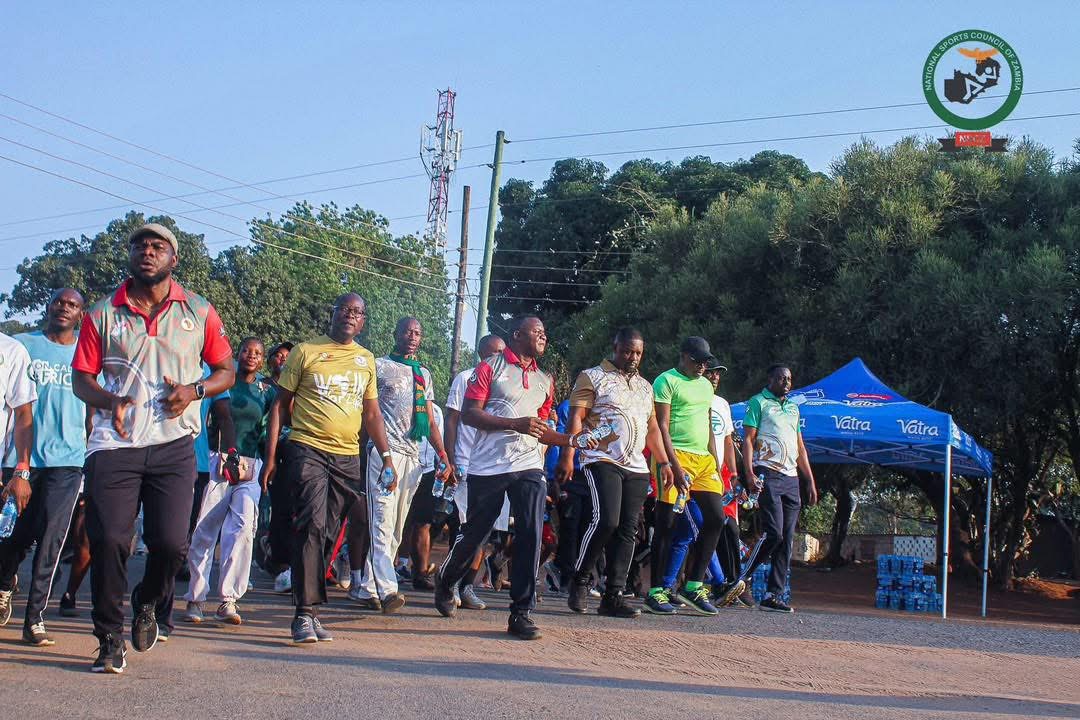
In the last 5 years, Zambia has witnessed an exponential increase in the number of marathons held across major cities like Lusaka, Ndola, Kitwe, Solwezi and Livingstone. This has led to, among many benefits, an increased number of citizens participating in marathons and related physical activities.
While a good number of people appreciate the hosting and participation in marathons, there’s a considerable number of citizens who consider these activities as a disruption to their own activities especially with full or partial road closures. We respect such positions.
However, we ought to look at hosting of marathons with a different lens, one that views such events from a social and economic point of view. Data shows how hosting major marathons actively transforms Zambian communities.
Hotel and Lodge Occupancy: Major events like the Absa Marathon draw roughly 8,000 runners from within the country and beyond. This creates an immediate booking surge for Lusaka hotels and local lodges over race weekend.
Prize Money Infusions: Regional events directly enrich local runners. For example, the Kansanshi Marathon in Solwezi pays out substantial top cash prizes of K42,000 for the full marathon and K21,000 for the half marathon.
Eradicating Period Poverty: Registration fees and corporate pairings serve as powerful fundraising tools. The Absa Marathon partnered with World Vision Zambia’s Flow Fund Campaign to distribute reusable sanitary pads to over 5,000 schoolgirls in vulnerable rural communities.
Grassroots Sports Development: Corporate sponsorships fund community infrastructure long after race day. First Quantum Minerals (FQM) utilizes the Kansanshi Marathon framework to fund a specialized Sports Foundation and running academy. This academy hires local athletes to coach student runners across eight secondary schools in Solwezi.
Preserving Heritage: The Kenneth Kaunda (KK) Day Marathon gathers over 3,000 runners every April 28th. Backed by the Ministry of Tourism, it actively promotes the founding president’s ideals of peace, “One Zambia, One Nation,” and active living.
Combating Non-Communicable Diseases (NCDs): The Ministry of Health utilises marathons as zero-cost, massive public platforms. These events help shift the urban lifestyle culture to fight rising regional rates of stroke, hypertension and diabetes.
Addressing Climate Change: Government through the National Sports Council of Zambia uses the Zambia Climate Run to drive the agenda for the use of sport as a suitable tool for climate action.
The above benefits are not conclusive as there are more positives to hosting marathons than there are negative ones.
Going forward, there is need to establish clear guidelines and calendars for hosting marathons. It is also important that organisers consider hosting such events in other cities and not just in Lusaka, Ndola, Kitwe, Solwezi and Livingstone. This will result in reduced pressure on authorities such as Councils and Zambia Police, and further give some ‘breathing’ space for citizens especially motorists.