
By Joseph Mapalo Kamanga
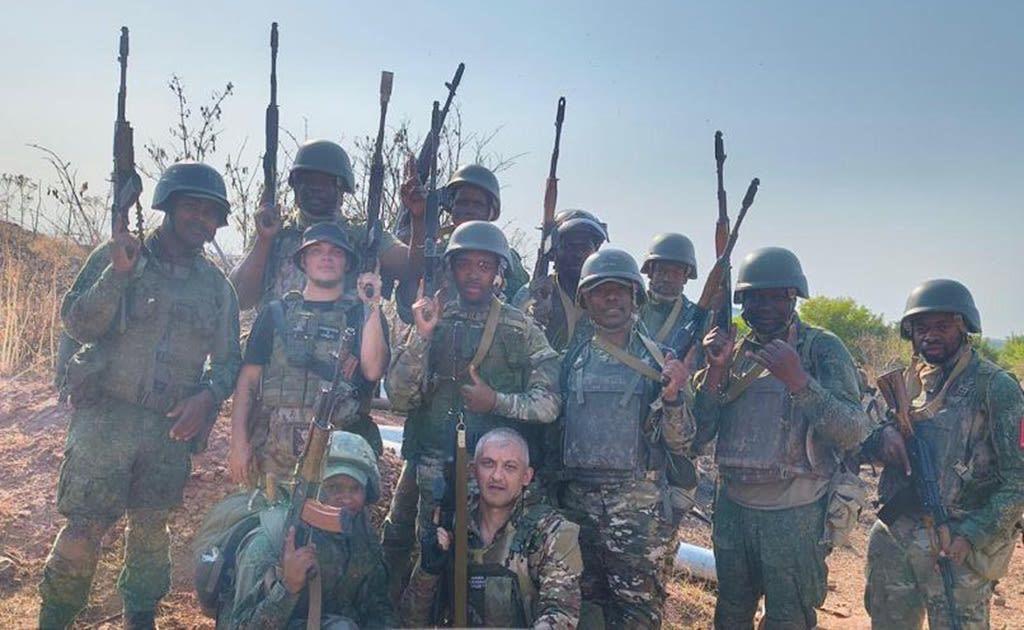
Latest investigations have revealed that two Zambians are among hundreds of Africans reported to have died while fighting for Russian in Ukraine, according to information published by a Ukrainian government-backed platform tracking the recruitment of foreign nationals into Russia’s military.
The website, StopRussianRecruiters.org, lists the two Zambians as Joe Mwape, aged 27, who was reportedly killed in December 2025, and Chongo Choma, 30, whose death is recorded as having occurred in May 2026.
The platform, launched by Ukraine’s Ministry of Foreign Affairs in May this year, documents foreigners recruited into Russia’s military using information compiled by Ukraine’s Coordination Headquarters for the Treatment of Prisoners of War. On 29 June, it published the names of 485 African nationals it says have been confirmed killed while fighting in Ukraine.
Sadly, the two Zambians appear on that list.
Neither the Zambian Government nor Russian authorities publicly commented on the reported deaths by the time of publication. However, investigations by Zambia Reports led to a Zambian student currently studying in Russia (we shall call him James), who confirmed knowing Mwape.
He revealed that the deceased had reportedly been arrested on drug trafficking charges before his alleged death. Like Lemekani, Mwape could have been recruited from prison, with promises of freedom if he successfully serves his time at the front lines.
“From what I know, he was arrested for drug trafficking about two years ago and we never heard much about him after that. It’s news to hear that he is one of those killed,” James* told Zambia Reports.
Russian authorities and the Zambian embassy in Russia have not responded to our queries and neither have they publicly commented on Mwape’s reported legal history.
If confirmed, the account would bear similarities to the case of Lemekani Nathan Nyirenda, the Zambian student whose death in 2022 drew international attention after he was recruited into the Russian military while serving a prison sentence.
Nyirenda had travelled to Russia on a government scholarship to study nuclear engineering at the Moscow Engineering Physics Institute before being convicted on drug-related charges in 2020 and sentenced to nine-and-a-half years in prison.
While serving that sentence, he was recruited into the Russian military through a prisoner recruitment programme later acknowledged by Russian authorities.
He was killed on the battlefield in September 2022.
The Zambian Government only learnt of his death two months later after receiving official communication from Moscow. His remains were returned to Zambia in December that year, prompting Lusaka to seek an explanation over how a government-sponsored student had ended up fighting in a foreign war.
That case became one of the earliest known examples involving an Africans recruited into the conflict through Russia’s prison system.
Since then, concerns over the recruitment of Africans into the war have continued to grow.
Investigations by international media organisations and researchers monitoring the conflict suggest that recruitment is not always presented as military service. Instead, many prospective recruits are reportedly approached with advertisements promising employment in construction, agriculture, factories, warehouses, logistics, hospitality and private security companies.
The offers often promise attractive salaries, accommodation, transport and work permits, making them particularly appealing to young people struggling to find employment.
According to investigators, some recruits only discover military obligations after arriving in Russia, while others reportedly sign contracts written entirely in Russian without fully understanding their contents.
Researchers caution that every case is different, but many of those recruited are believed to have originally travelled in search of civilian employment rather than combat.
Russian authorities have also publicly acknowledged recruiting convicted prisoners into the military in exchange for reduced sentences, financial incentives or presidential pardons.
It was under that programme that Nyirenda ultimately found himself fighting in Ukraine.
Elsewhere on the continent, authorities have begun investigating networks suspected of exploiting vulnerable job seekers.
Zimbabwe has arrested several people accused of recruiting citizens under the guise of overseas employment before facilitating their travel to Russia. Court proceedings in those cases are ongoing.
In Kenya, allegations that some overseas recruitment programmes may have been exploited to channel citizens towards the conflict have also attracted public attention.
Labour Cabinet Secretary Alfred Mutua has denied any wrongdoing, insisting that no Kenyan recruited through programmes administered by his ministry was sent to fight in Ukraine. He has also announced the deregistration of 23 recruitment agencies over suspected irregularities.
Human rights organisations say the reports highlight the growing risks posed by fraudulent international recruitment schemes targeting unemployed young people across Africa.
Migration experts continue to urge job seekers to verify overseas employment offers through official government channels before making payments or travelling abroad.
For Zambia, the appearance of two more names linked to the conflict has once again raised difficult questions about how citizens are ending up in one of the world’s deadliest wars.
Whether the reported deaths are ultimately confirmed or not, they raise renewed calls for greater scrutiny of international recruitment networks and stronger safeguards to protect Zambians seeking employment opportunities overseas.
As fighting in Ukraine continues, investigators remain focused on tracking recruitment networks they believe are operating across several regions, while families continue searching for answers about loved ones who left home in search of a better future but never returned.
©️Zambia Reports | August 4, 2026